BARTENDING 101

Bartending advice online tends to go one of two ways: either somebody’s teaching you how to make questionable drinks in a plastic cup, or they expect you to own a laboratory and have a minor degree in cocktail science.
Bartending 101 is for everybody in the middle.
You don’t need a wall full of expensive bottles or professional bartending experience to make a damn good drink. You need to understand a few things that actually matter — balance, measuring, ice, shaking, stirring, glassware, garnishes, and knowing when to leave the drink alone.
That’s what we’re covering here. Whether you’re making your first cocktail or wondering why your Old Fashioned never tastes quite right, these are the fundamentals that’ll make you better behind your home bar.
Because Shipnut isn’t about making cocktails complicated.
Better drinks. Less nonsense. More good times.
THE BASICS THAT ACTUALLY MATTER

Bartending 101: The Shipnut Way
Welcome to bartending without the attitude. No fancy titles, no unnecessary tricks, and no pretending you need professional bar experience to make a great drink.
We’re covering the stuff that actually makes a difference: better technique, better balance, smarter use of ice, the right tools, and knowing why a cocktail works.
Learn the basics, practice them a few times, and before long you’ll be making drinks you’d happily pay for at a bar.
No chemistry degree required. Just better drinks and good times.
Shaken vs Stirred: The Why Behind It
Here’s the easy rule: if a cocktail contains citrus, juice, dairy, egg, or other ingredients that need to come together, it usually gets shaken. Shaking chills and dilutes the drink quickly while adding aeration and texture. That’s what helps give drinks like a Whiskey Sour their lively texture and foam.
Spirit-forward cocktails are usually stirred. Drinks like a Martini or Manhattan benefit from controlled chilling and dilution without all that extra air. Stir with plenty of ice until properly chilled, then strain.
Forget counting exactly thirty circles. Temperature and dilution matter more than hitting some magic number.
Shake when the drink needs energy and texture. Stir when you want it smooth, clear, and silky.
Same ice. Two techniques. Very different results.
Ice Matters: More Than Just Keeping It Cold
Ice isn't just there to make your drink cold. It controls temperature, dilution, and how the drink changes while you're drinking it.
Large cubes melt more slowly, making them a great choice for strong, spirit-forward drinks you want to sip without watering them down too quickly. Crushed ice melts faster, which is exactly what many tropical and tiki drinks are designed around.
And use fresh, clean ice. Ice can pick up odors and flavors from your freezer. Nobody wants a perfectly good cocktail with a suspicious hint of last night's leftovers.
Good ice is one of the easiest and cheapest ways to make better drinks at home.
Build with Balance: The Order of the Pour
There isn't one magic pouring order that makes every cocktail better. What matters is measuring accurately, getting the ingredients properly mixed, and protecting anything carbonated until the end.
For a shaken drink, measure your ingredients into the shaker before adding ice. This gives you a chance to catch a mistake before you've filled the thing with ice.
Add the ice when you're ready to shake, then strain into your glass. If the recipe calls for soda, sparkling water, tonic, or another carbonated ingredient, add that after shaking. Shaking carbonation is a great way to make a mess and lose the fizz.
For drinks built directly in the glass, follow the recipe and give everything the amount of stirring it actually needs.
Good cocktails come from balance and technique, not a secret pouring ritual.
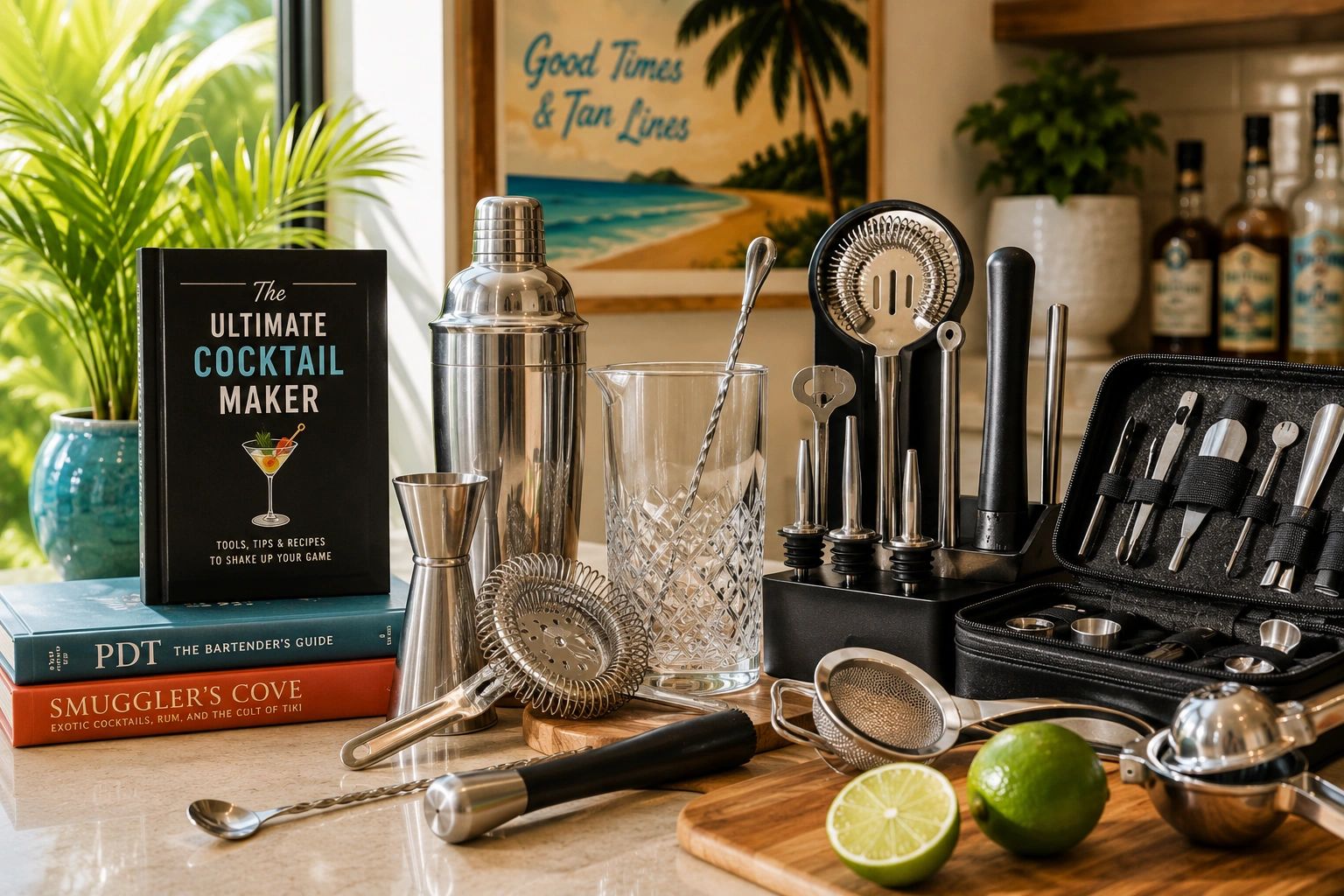
Tools That Actually Earn Their Keep
You don't need every shiny bar gadget somebody decided to sell online. A few good tools will handle almost everything you'll make at home.
Shaker: For cocktails that need vigorous mixing, chilling, dilution, and aeration.
Mixing glass and bar spoon: For stirred cocktails when you want controlled chilling and dilution.
Strainers: A Hawthorne strainer handles most shaken drinks. A fine-mesh strainer catches smaller bits of ice, herbs, fruit, or pulp when you want a cleaner finish.
Jigger: Measure your ingredients. Consistent measurements mean you can make the same great drink twice instead of wondering what the hell you did differently.
Muddler: Use it gently with herbs and fruit. You're trying to release flavor, not beat the ingredients into submission.
Start with the basics and buy decent tools you'll actually use. Your home bar doesn't need a junk drawer with a cocktail theme.
Glassware That Tells a Story
You don't need twenty different glasses to make great cocktails, but the right glass can make a drink easier to serve, better to drink, and a hell of a lot nicer to look at.
Rocks glass: Great for Old Fashioneds, Negronis, and other shorter drinks served over ice.
Collins or highball: Made for tall drinks with plenty of ice and mixers, like a Tom Collins or Gin and Tonic.
Coupe or Martini glass: Best for cocktails served up without ice. Chilling the glass beforehand helps keep the drink cold longer.
Tiki mugs: This is where function meets fun. They're perfect for tropical drinks, especially the big, colorful creations loaded with crushed ice and garnishes.
Don't get hung up on having the exact glass for every recipe. Use what works, chill it when the drink benefits from it, and save some cabinet space.
A great cocktail in the "wrong" glass is still a great cocktail.
Garnish and Presentation: Flavor You Can See
A garnish should do more than make the drink look good. Done right, it adds aroma, flavor, or a little clue about what's waiting in the glass.
A citrus twist releases fragrant oils over the drink. Fresh mint adds aroma before you even take the first sip. Salt, sugar, or a seasoned rim can change the flavor of every sip.
Keep it simple and make it useful. If the garnish is so big you have to fight through a fruit salad just to reach your cocktail, we've gone too far.
Make it fresh, make it intentional, and don't block the damn drink.
Ratios and Templates: The Cheat Codes
Many classic cocktails are built around simple formulas. Learn the basic structure, and suddenly you aren't just following recipes. You start understanding why they work.
Sour: A common starting point is 2 oz spirit, ¾ oz fresh citrus, and ¾ oz sweetener. From there, adjust the sweet and sour balance to fit the drink.
Old Fashioned: Start with 2 oz spirit, a small amount of sugar or syrup, and a few dashes of bitters. Stir with ice until properly chilled and diluted.
Highball: Usually 1½ to 2 oz of spirit served over ice with a cold carbonated mixer. The exact amount of mixer depends on the drink and the balance you're after.
These aren't laws carved into the side of a cocktail shaker. They're starting points.
Learn the basic formulas, understand what each ingredient is doing, then start experimenting.
That's when you stop just following recipes and start knowing how to make drinks.
Freshness and Prep: The Quiet Game Changer
Fresh ingredients can make a huge difference, especially when it comes to citrus. If you're using fresh juice, prep what you need, keep it refrigerated, and label it with the date so you're not playing the "when the hell did I make this?" game later.
Simple syrup is traditionally equal parts sugar and water. It's easy to make and works in just about everything.
Rich syrup uses more sugar, commonly two parts sugar to one part water. It's sweeter and has more body, so don't automatically substitute it ounce for ounce in a recipe written for regular simple syrup.
Label your homemade syrups, juices, and other prep.
You might think you'll remember what's in every bottle.
You won't. Future you has other shit going on.
Pick a Vibe
Every home bar has its own personality. You don't have to copy a cocktail lounge or turn your living room into a tropical resort. Figure out what you actually enjoy drinking and build around that.
Tiki and Tropical: Rum, citrus, tropical flavors, crushed ice, fun glassware, and absolutely no fear of a ridiculous garnish
Classics and Spirit Forward: Old Fashioneds, Manhattans, Martinis, Negronis, and other drinks where a few good ingredients do the heavy lifting.
Long and Refreshing: Highballs, Collins-style drinks, spritzes, and other tall drinks made for slow sipping and hot afternoons.
Zero Proof and Lower Alcohol: Drinks built around flavor first. Citrus, herbs, bitters where appropriate, teas, coffee, sparkling mixers, and other ingredients can make these every bit as interesting as the rest of the bar.
Your bar doesn't need to fit into one category either.
Stock what you like, make what you enjoy, and let the personality come naturally.
Quick Pour Quiz
Think you've got the basics down? Let's find out. No grades, no judgment, and nobody's taking away your shaker.
1. Which cocktail would normally be stirred instead of shaken?
Answer: Martini. Spirit-forward cocktails are generally stirred to chill and dilute them without adding the extra aeration you get from shaking.
2. What kind of ice works well for many tiki and tropical cocktails?
Answer: Crushed ice. It chills quickly, adds dilution, and is part of the intended presentation and drinking experience of many tropical recipes.
3. When should you add a carbonated mixer to a shaken cocktail?
Answer: After shaking. Shake the noncarbonated ingredients with ice, strain the drink, then add the sparkling ingredient so you keep the fizz.
Got all three?
Congratulations. You passed Bartending 101 without buying a monocle or a centrifuge.
BUILD YOUR HOME BAR
You don’t need every gadget on the internet. Start with the tools, glassware, and bar essentials that actually earn their space.